Tilemap
2025/10/11
- Type
- Learning Resource
- Format
- Glossary Article
- Version
- General
- Subject Tags
- Code
- MIT
- Game Assets
- 2016-2026, GDQuest© - All rights reserved
- All else
- 2016-2026, GDQuest© - All rights reserved
- Created
- Updated
- 2026/10/21
- 2025/10/11
A tilemap is a grid-based system that allows you to efficiently create and render 2D environments by placing tiles from a tileset onto a grid. Under the hood, it's a data structure that defines which tiles go where in your game world. It allows you to build levels, maps, and environments by "painting" with pre-defined tiles rather than placing individual objects.
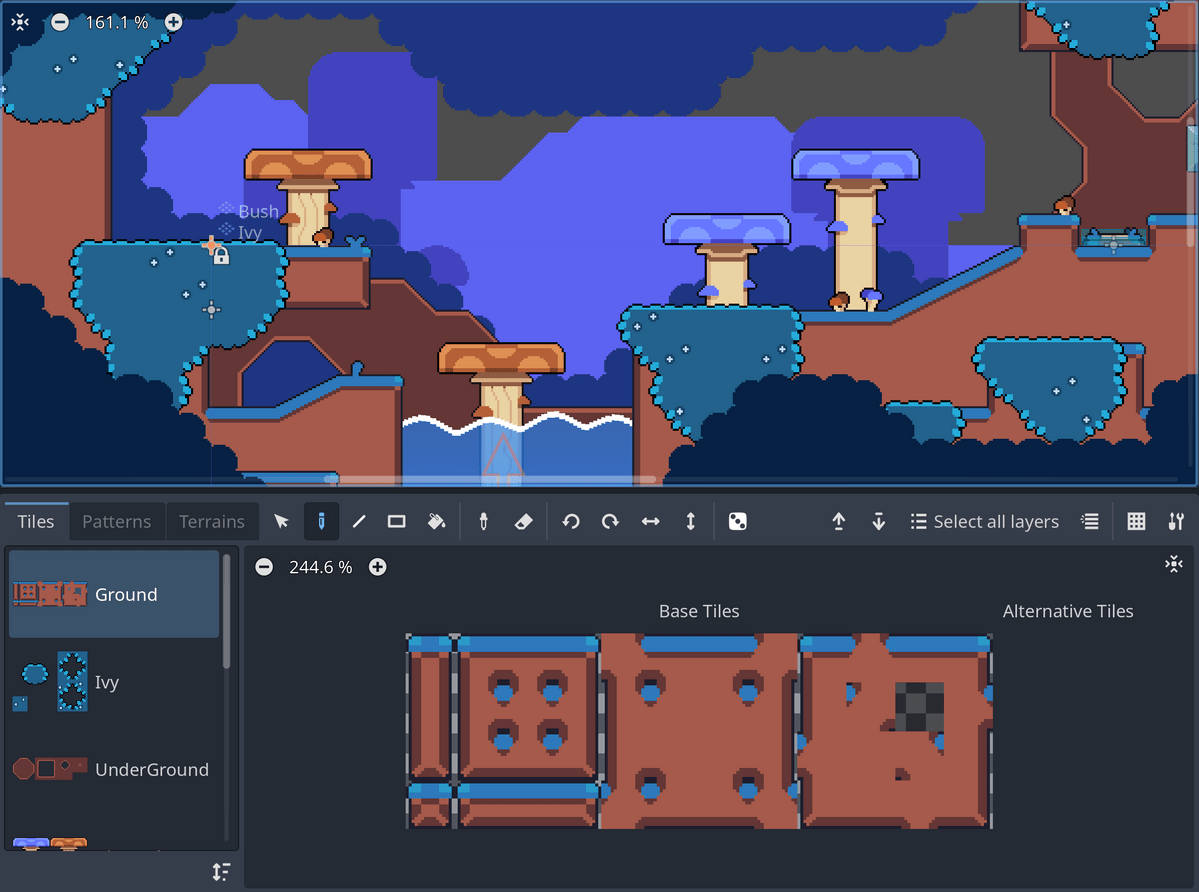
In Godot, the TileMapLayer node lets you quickly create complex 2D worlds by drawing tiles onto a grid. The node uses a tileset resource that defines the available tiles and their properties. This approach is efficient as it reuses the same tile graphics and textures across the entire map and only stores the position data for each cell.
Tilemaps are particularly useful for creating platformer levels, top-down RPG worlds, strategy game boards, or any game that uses a grid-based layout.
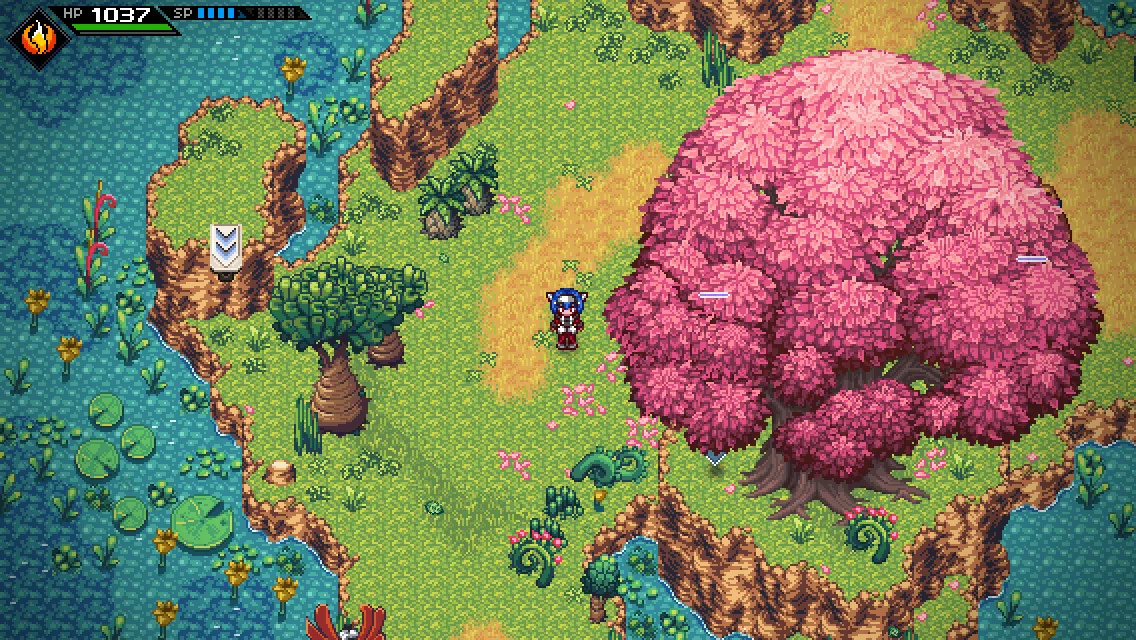
You can create very detailed environments with a good tileset and tilemap editor. For example, the environments of the game CrossCode are made with tilemaps.
Don't stop here. Step-by-step tutorials are fun but they only take you so far.
Try one of our proven study programs to become an independent Gamedev truly capable of realizing the games you’ve always wanted to make.
Get help from peers and pros on GDQuest's Discord server!
20,000 membersJoin ServerThere are multiple ways you can join our effort to create free and open source gamedev resources that are accessible to everyone!
Sponsor this library by learning gamedev with us onGDSchool
Learn MoreImprove and build on assets or suggest edits onGithub
Contributeshare this page and talk about GDQUest onRedditYoutubeTwitter…
Site in BETA!found a bug?